If you’re trying to decide between a Garmin bow sight Garmin Bow Sight vs Traditional Bow Sight (2026): Which One Should You Choose? and a traditional bow sight, you’re not alone.
This is one of the biggest decisions modern hunters face:
Stick with proven simplicity
Or upgrade to advanced technology
At the center of this comparison is the flagship digital option:
Garmin Xero A1i Pro Bow Sight
But is it really better—or just expensive tech?
Let’s break it down clearly so you can make the right decision.
Quick Verdict (Fast Decision Guide)
Choose Garmin if you want:
-
Maximum accuracy
-
Faster shot execution
-
Less guesswork
Choose traditional if you want:
-
Simplicity
-
Lower cost
-
No electronics
Garmin = performance
Traditional = simplicity
What Is a Traditional Bow Sight?
A traditional bow sight uses:
-
Fixed pins
-
Manual aiming
-
Experience-based adjustments
Common types:
-
Multi-pin sights
-
Single-pin adjustable sights
It’s simple—and it works.
What Is a Garmin Bow Sight?
A Garmin bow sight uses the following:
-
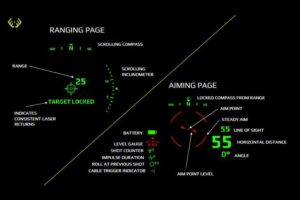
Laser rangefinding
-
Automatic trajectory calculation
-
Digital pin projection
It removes manual decision-making.
FULL HEAD-TO-HEAD COMPARISON
Accuracy
Garmin:
-
Measures exact distance
-
Calculates trajectory automatically
Extremely accurate
Traditional:
-
Depends on estimation
-
Requires correct pin selection
Accuracy varies by skill
Winner: Garmin
Speed
Garmin:
-
Range → Shoot
Traditional:
-
Range → Think → Select pin → Shoot
Winner: Garmin
Ease of Use
Garmin:
-
Harder to set up
-
Easier to use after setup
Traditional:
-
Easy to start
-
Requires practice to master
Price
Garmin:
-
$800–$1200+
Traditional:
-
$50–$300
Winner: Traditional
Reliability
Garmin:
-
Battery dependent
Traditional:
-
No electronics
Winner: Traditional
Real Hunting Scenario (Where It Matters)
Imagine:
-
Animal moving
-
Distance changing
-
Limited time
Traditional Setup:
-
Range target
-
Estimate distance
-
Choose pin
-
Aim
-
Shoot
Garmin Setup:
Range → Shoot
That speed difference matters.
Where Garmin Has the Biggest Advantage
Garmin shines in:
-
Variable distances
-
Pressure situations
-
Mid to long-range shots
This is where most misses happen—and Garmin fixes that.
Where Traditional Still Wins
Traditional sights are better when:
-
Budget matters
-
You prefer simplicity
-
You don’t want electronics
Not everyone needs Garmin.
Skill vs Technology
This is a big debate.
Truth:
Garmin does NOT replace skill.
It removes:
-
Distance errors
-
Wrong pin selection
You still need proper shooting technique.
Accuracy at Different Distances
Short Range (0–30 yards)
-
Both perform similarly
Mid Range (30–60 yards)
-
Garmin becomes more consistent
Long Range (60+ yards)
-
Garmin clearly superior
That’s where it becomes worth it.
Is Garmin Worth the Upgrade?
YES—If You Want
-
Higher accuracy
-
Faster decisions
-
Better consistency
NO—If You Want
-
Cheap gear
-
Simple setup
-
Traditional experience
It’s a performance upgrade—not a necessity.
Who Should Choose Garmin?
✔ Serious hunters
✔ Those struggling with distance estimation
✔ Tech-friendly users
Who Should Stick to Traditional?
✔ Beginners
✔ Budget hunters
✔ Traditional archery enthusiasts
If you want to upgrade your accuracy and eliminate guesswork:
Check Latest Price on Garmin Bow Sight
FAQ Section
Is Garmin better than a traditional bow sight?
Yes—for accuracy and speed.
Is it worth switching?
Yes—if performance matters to you.
Does Garmin replace skill?
No—it enhances accuracy, not technique.
What’s the best Garmin option?
Garmin Xero A1i Pro Bow Sight
Garmin bow sights are not replacing traditional sights—they’re offering an alternative.
Traditional = simple and reliable
Garmin = advanced and precise
If your goal is:
-
Better performance
-
Faster shots
-
More consistent accuracy
Garmin is the better choice.
Disclaimer
This site is not affiliated with Garmin.